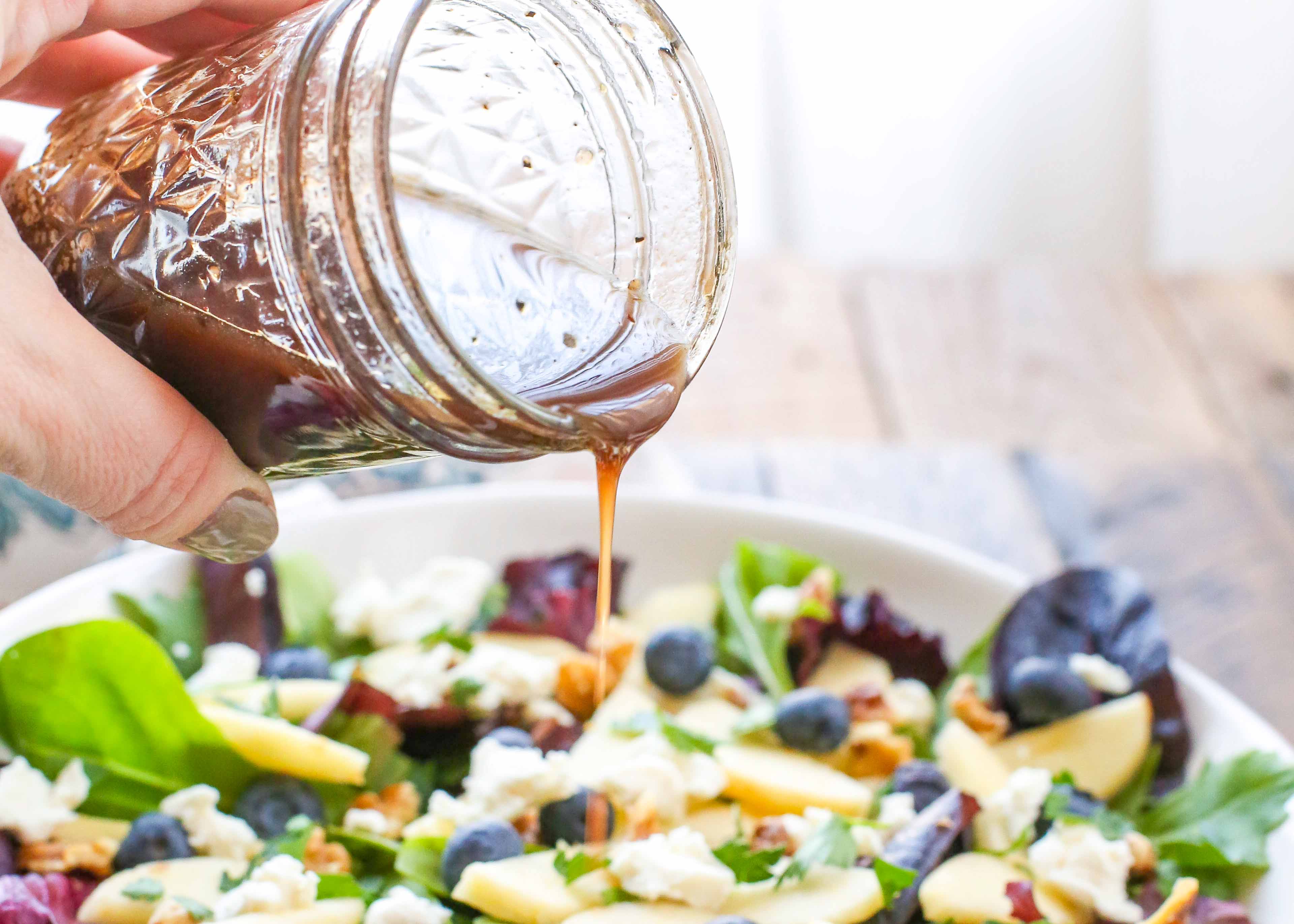
Crafting Perfect Honey Balsamic: The Epitome of Sweet & Tangy Vinaigrette
Imagine a dressing so perfectly balanced between sweet and tangy that it elevates even the simplest bowl of greens into a gourmet experience. A dressing that tastes like it was prepared by a seasoned chef, yet takes mere minutes to whip up in your own kitchen. This isn't a culinary fantasy; it's the reality of a homemade
honey balsamic dressing. Forget store-bought alternatives laden with preservatives and unnecessary sugars. This staple vinaigrette is about to become your culinary secret weapon, promising restaurant-quality flavor with the wholesome goodness only homemade can deliver.
For nearly two decades, this particular
honey balsamic dressing recipe has been a go-to for countless home cooks, a testament to its enduring appeal and simple brilliance. It’s not just about convenience; it’s about crafting a healthier, more flavorful option for your salads and beyond. Naturally gluten-free, dairy-free, and paleo-friendly, it’s a dressing that caters to a wide array of dietary preferences without compromising on taste. And with slightly less oil than many traditional vinaigrettes, it offers a lighter touch without sacrificing richness. Get ready to transform your meals and discover why this sweet and tangy creation deserves a permanent spot in your fridge. For more in-depth techniques, check out our guide on
Easy Honey Balsamic Dressing: Restaurant Quality at Home.
The Secret to Restaurant-Quality Honey Balsamic at Home
The allure of a perfect vinaigrette often seems tied to professional kitchens, but the truth is, the magic can be replicated with a few key insights and quality ingredients right in your home. This section will uncover the foundational elements that make your homemade
honey balsamic dressing truly stand out.
Why Homemade Reigns Supreme
Opting for homemade dressing isn't just a trend; it's a choice for superior flavor, health, and control. When you make your own
honey balsamic dressing, you gain:
- Unparalleled Freshness: Store-bought dressings often sit on shelves for months. Yours will be fresh, vibrant, and bursting with flavor.
- Ingredient Control: You dictate the quality of every component. Choose premium extra virgin olive oil, a good balsamic vinegar, and the best honey, ensuring no artificial flavors or preservatives.
- Tailored to Taste: Easily adjust sweetness, tanginess, and seasoning to perfectly match your palate or the specific dish you're serving.
- Healthier Profile: By reducing the oil content slightly and using natural sweeteners, you create a dressing that's lighter and often lower in calories, fitting into a balanced lifestyle. Plus, it's inherently gluten-free, dairy-free, and can be easily made vegan.
- Cost-Effectiveness: Pantry staples often yield several batches of dressing for a fraction of the cost of a single store-bought bottle.
Decoding the Sweet & Tangy Balance
The hallmark of an exceptional
honey balsamic dressing is its impeccable balance between opposing flavors. Here’s how to master that delicate dance:
Balsamic Vinegar Selection: The Foundation of Flavor
The quality of your balsamic vinegar is paramount. It forms the backbone of the dressing, and its characteristics will significantly influence the final taste.
- Aged Balsamic for Natural Sweetness: If possible, opt for balsamic vinegar aged at least three years. These vinegars have a naturally sweeter, more complex flavor profile with reduced acidity. This means you’ll likely need less added sweetener, resulting in a more nuanced dressing.
- Consider Acidity for Cheaper Vinegars: If your balsamic vinegar is on the less expensive side, it might possess a sharper, more acidic bite. Don't despair! Simply be prepared to add an extra touch of honey to achieve the desired sweetness and mellow out the tartness.
- Origin Matters: Traditional Balsamic Vinegar of Modena or Reggio Emilia PDO (Protected Designation of Origin) are the gold standard, but excellent quality commercial balsamic vinegars are widely available. Look for "Aceto Balsamico di Modena IGP" for a good balance of quality and price.
The Indispensable Role of Honey
Honey isn't merely a sweetener in this dressing; it's a critical component that contributes to both flavor and texture.
- Beyond Sweetness: Honey provides the essential counterpoint to the balsamic's acidity, creating the iconic sweet and tangy profile. It also adds a subtle floral note and depth of flavor that granulated sugar cannot replicate.
- Emulsification Aid: Honey's viscous nature also plays a role in helping the oil and vinegar emulsify, contributing to a smoother, creamier dressing.
- Vegan Alternatives: For those seeking a vegan option, maple syrup or agave nectar are excellent substitutes. They offer similar sweetness and viscosity, ensuring the dressing retains its delicious balance.
Aromatic Enhancers: Shallots & Garlic for Depth
What truly elevates this dressing from good to gourmet are the fresh aromatics.
- Shallots for Subtlety and Creaminess: Finely minced shallots (or blended shallots) provide a delicate oniony flavor that’s milder and sweeter than traditional onions, adding a layer of sophistication. Crucially, when blended, shallots contribute to the dressing's creamy, smooth texture and enhance its overall depth of flavor.
- Garlic for Pungency and Zest: Fresh garlic adds a pungent, savory kick that rounds out the flavor profile. Like the shallot, blending it ensures its flavor is evenly distributed without overwhelming the other ingredients.
- Dijon Mustard as an Emulsifier Alternative: If you don't have a shallot on hand, or prefer to omit it, a small squeeze of Dijon mustard can step in. Dijon acts as a powerful emulsifier, helping the oil and vinegar combine beautifully, while also adding a subtle tangy, spicy note. While it won't replicate the shallot's unique flavor, it's a fantastic functional substitute.
Master Your Method: Blended vs. Shaken
The technique you choose for assembling your
honey balsamic dressing can significantly impact its texture and consistency. Both methods yield delicious results, but one offers a distinctly smoother experience.
The Blender Advantage: Silky Smooth Perfection
For a truly restaurant-quality, velvety smooth dressing, the blender is your best friend.
- Effortless Emulsification: Simply combine all your ingredients—extra virgin olive oil, balsamic vinegar, honey, minced shallot, garlic, salt, and pepper—in a high-speed blender.
- Creamy Consistency: The powerful blades quickly break down the aromatics and thoroughly combine the oil and vinegar, creating a beautifully emulsified, almost creamy texture that coats every leaf of your salad. The blended shallot is particularly key here, contributing to that desired creaminess.
- Time-Saving: This method is incredibly fast, usually taking less than a minute to achieve perfect smoothness.
- Taste and Adjust: Once blended, always taste and make any necessary adjustments. For extra tang, add a splash more vinegar. For more sweetness, drizzle in a bit more honey.
The Mason Jar Method: Quick & Delicious
No blender? No problem! A mason jar or any container with a tight-fitting lid works wonders for a quick and easy dressing.
- Preparation is Key: For this method, ensure your shallot and garlic are very finely minced. The smaller the pieces, the better they'll integrate into the dressing.
- Shake It Up: Add all ingredients to the jar, secure the lid tightly, and shake vigorously for 30-60 seconds, or until the dressing appears well combined and slightly creamy. Alternatively, you can whisk it thoroughly in a bowl.
- Slightly Different Texture: While still incredibly delicious, this version won't achieve the exact same silky-smooth consistency as the blended dressing. You might notice tiny flecks of shallot and garlic, which some find appealing for a more rustic feel.
- Still Effective: It's an excellent method for convenience and perfect for when you're short on time or don't want to wash a blender.
Customizing Your Honey Balsamic Dressing
One of the greatest joys of making your own dressing is the freedom to customize. This
honey balsamic dressing recipe is a fantastic starting point, but don't hesitate to make it truly your own.
Adjusting for Taste: Sweetness & Tanginess
Achieving your perfect balance is simple:
- For a Tangier Kick: Add an extra splash of balsamic vinegar, a squeeze of fresh lemon juice, or even a tiny amount of apple cider vinegar.
- For a Sweeter Profile: Drizzle in more honey (or maple syrup/agave). Remember to add gradually and taste as you go.
- Salt & Pepper: Don't underestimate the power of seasoning. A good pinch of sea salt and freshly ground black pepper will enhance all the other flavors.
Flavor Variations & Add-ins
Elevate your dressing with additional ingredients to suit your mood or meal:
- Fresh Herbs: Finely chopped fresh dill (as some variations suggest), thyme, rosemary, or oregano can infuse your dressing with aromatic complexity. Add them after blending if you prefer a less incorporated texture.
- Spicy Notes: A tiny pinch of red pepper flakes can add a subtle warmth and kick, especially delightful with robust greens like arugula.
- Citrus Brightness: A teaspoon of fresh orange or lemon zest, or a small squeeze of their juice, can add a refreshing brightness.
- Mustard Varieties: Beyond Dijon for emulsification, try whole grain mustard for a textural element and a different flavor profile.
- Umami Boost: A dash of tamari or coconut aminos can add an unexpected depth, especially if you're serving it with Asian-inspired salads or as a marinade.
- Extra Creaminess: For an even richer, thicker dressing, consider adding a tablespoon of tahini or a small dollop of cashew cream. This will transform it into a more robust, luxurious option, perfect for heartier grain bowls.
Versatility Beyond the Salad Bowl
While "dressing" is in the name, limiting this incredible
honey balsamic vinaigrette to just salads would be a culinary oversight. Its sweet and tangy profile makes it incredibly versatile. For more ideas on how this dressing can become a kitchen staple, explore
Your Go-To Honey Balsamic: Versatile, Healthy & Delicious.
Salad Pairings Galore
This dressing is a chameleon, complementing a vast array of salad components:
- Greens: From delicate butter lettuce to peppery arugula or sturdy spinach and kale.
- Vegetables: Juicy tomatoes, crisp cucumbers, bell peppers, roasted beets, grilled asparagus, or thinly sliced radishes.
- Fruits: Sliced apples, pears, strawberries, or even mandarins for a burst of sweetness.
- Proteins: Drizzle it over baked chicken, grilled salmon, roasted chickpeas, crumbled goat cheese or feta, or even a hard-boiled egg.
- Grains & Legumes: Fantastic in grain bowls with quinoa, farro, couscous, or lentil salads.
Unexpected Uses
Think outside the salad bowl to truly unlock the potential of your
honey balsamic dressing:
- Marinade: It makes an excellent marinade for chicken, fish (especially salmon!), pork, or even firm tofu and vegetables before grilling, baking, or roasting. The acidity tenderizes, and the honey caramelizes beautifully.
- Roast Vegetable Enhancer: Toss your roasted Brussels sprouts, carrots, sweet potatoes, or broccoli with a generous amount of this dressing after they come out of the oven for a final flavor flourish.
- Dip: Serve it as a sophisticated dip for crusty bread or a crudité platter.
- Sandwich or Wrap Spread: A lighter, brighter alternative to mayonnaise or other creamy spreads.
- Grain Bowl Finisher: Not just for salads, this dressing can tie together a complex grain bowl with roasted vegetables, proteins, and fresh herbs.
- Cheese Board Companion: A small bowl of this dressing can be a delightful accompaniment to a cheese board, offering a tangy counterpoint to rich cheeses.
Storage & Longevity Tips
Once you’ve crafted your perfect batch of
honey balsamic dressing, proper storage ensures you can enjoy it throughout the week.
- Airtight is Key: Store the dressing in an airtight container, such as a glass jar with a tight lid, in the refrigerator.
- Shelf Life: It will keep well for up to one week. After that, while it might not necessarily be spoiled, the freshness of the aromatics (shallots, garlic) can diminish.
- Natural Thickening & Separation: Don't be alarmed if the dressing thickens significantly and separates when chilled. This is completely normal due to the extra virgin olive oil solidifying at cooler temperatures.
- Before Using: Simply allow it to come to room temperature for a few minutes, then give it a vigorous shake or a good stir to re-emulsify the ingredients before drizzling over your dish.
Conclusion
From its humble pantry origins to its dazzling restaurant-quality finish, homemade
honey balsamic dressing is more than just a recipe—it's a gateway to more flavorful, healthier, and creative meals. By understanding the nuances of ingredient selection, mastering simple blending techniques, and embracing customization, you unlock a versatile culinary tool that goes far beyond the traditional salad bowl. This sweet and tangy vinaigrette is destined to become a beloved staple in your kitchen, making every dish it touches feel effortlessly gourmet. So, grab your ingredients, choose your method, and prepare to elevate your everyday cooking with the irresistible charm of your very own honey balsamic creation.